|
|



|
|
|


4000-series Gallery 18
|
|
|
|
|
4000-series Gallery 18
 |
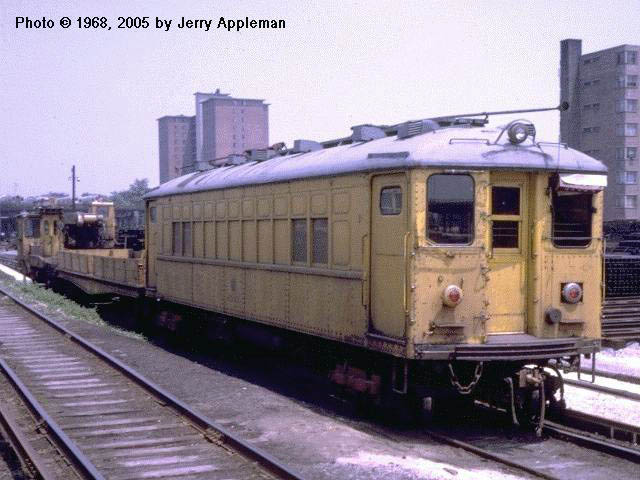
ctaS-348b.jpg
(88k) |
 |
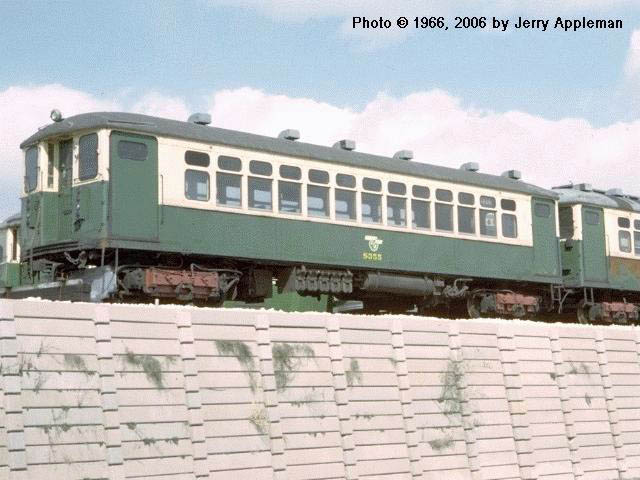
ctaS-355b.jpg
(85k) |
 |
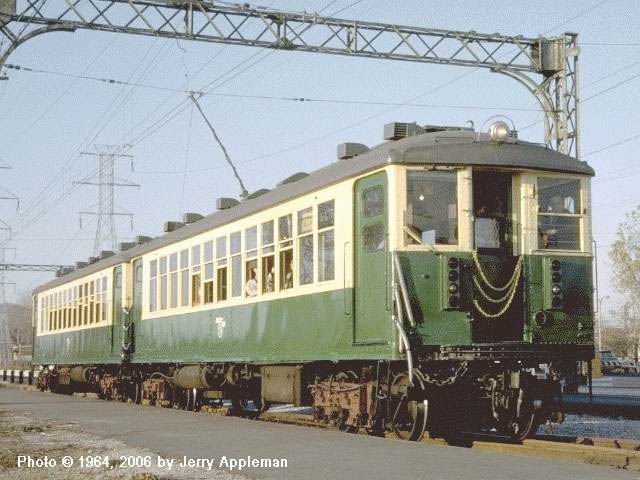
cta4437.jpg
(90k) |
 |
cta4145-46.jpg
(85k) |
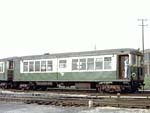 |
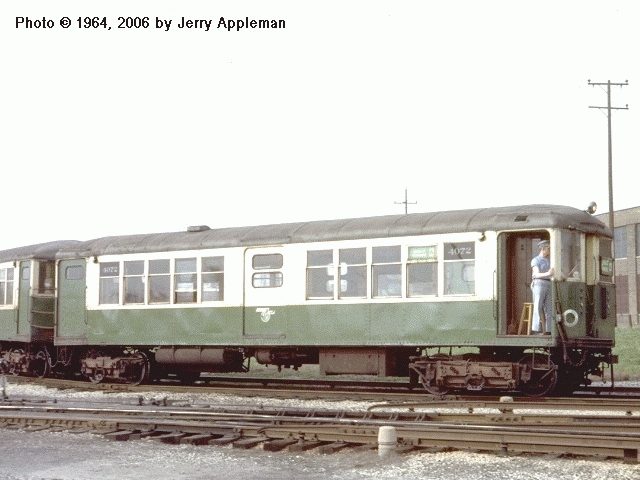
cta4072.jpg
(51k) |
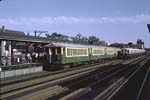 |
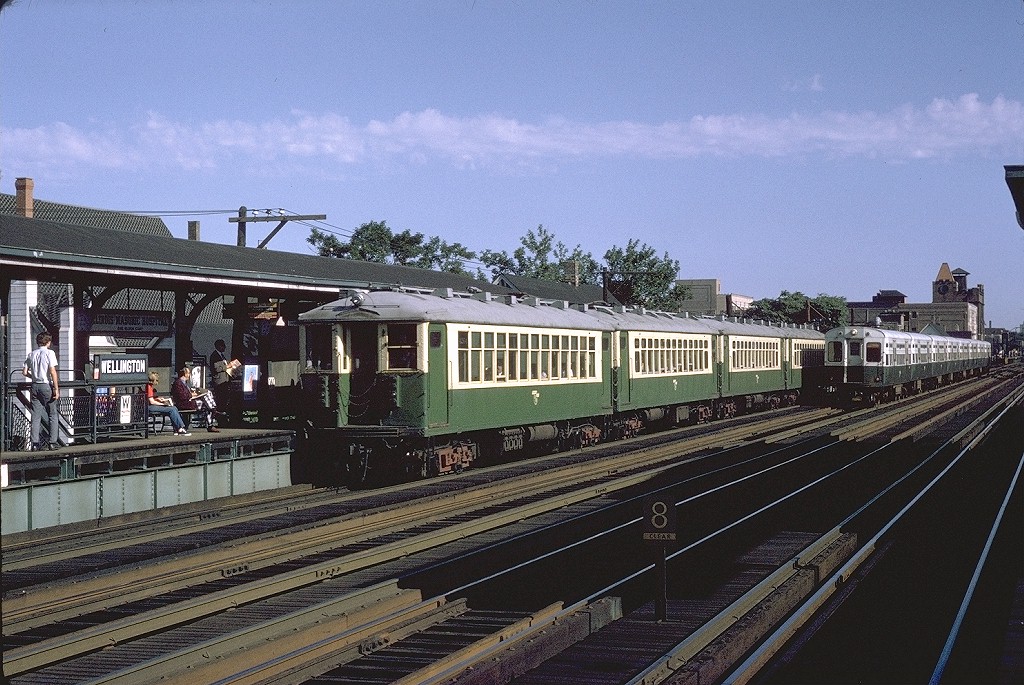
cta4264.jpg (247k) This view of the Wellington station northbound platform on August 20, 1970 provides an interesting contrast between two types of "L" trains: the older 4000-series Plushie stopped at the platform and the newer PCC 6000-series train coming up on the express track. Note the old-style signs near the staircase. (Photo by Joe Testagrose) |
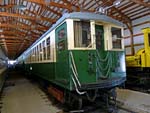 |
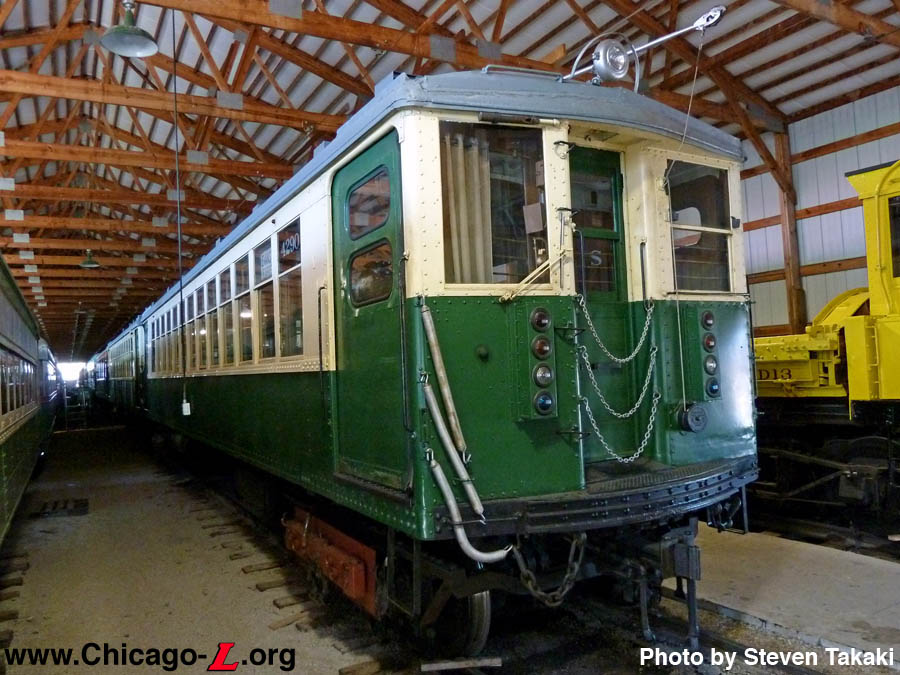
cta4290a.jpg (161k) Car 4290 is seen in a barn at the Illinois Railway Museum in August 2010. 4290 is one of several 4000-series cars that IRM has preserved, and is among those that still operates for visitors. (Photo by Steven Takaki) |
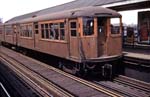 |
cta4015.jpg (157k) 4000-series car 4015 is on the rear of a special consistent on the Stock Yards branch, stopped at Halsted station on July 9, 1952. Stock Yards service was typically held down with older wooden cars, but a handful of 4000s were assigned to the shuttle service to provide better equipment to serve attendees of the 1952 Republican National Convention being held a block away from Halsted station at the International Amphitheater. Interestingly, for reasons that are unclear, that there are no red paddles, markers or other safety devices on the rear of 4015 (the back end of the train), which is standard safety procedure for most railroads, including the "L". (Photo by George Krambles, courtesy of the Krambles-Peterson Archive) |
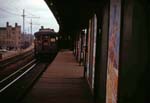 |
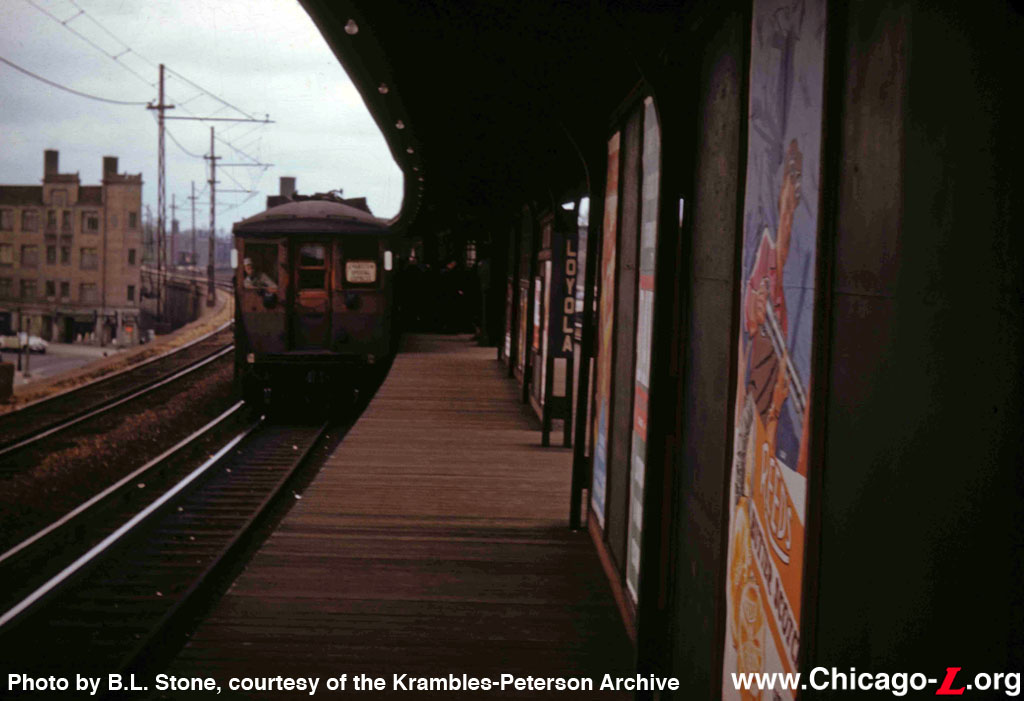
loyola06.jpg (143k) Looking northwest up the long, curved platform at Loyola station, car 4251 leads a southbound train on April 26, 1942. Note the motorman wearing pinstripe overalls and hat in the motorcab of the 4000-series car in weathered CRT orange and brown livery. The station features an abundance of windbreaks with ad panels on each one. (Photo by B.L. Stone, courtesy of the Krambles-Peterson Archive) |
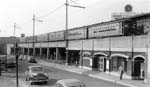 |
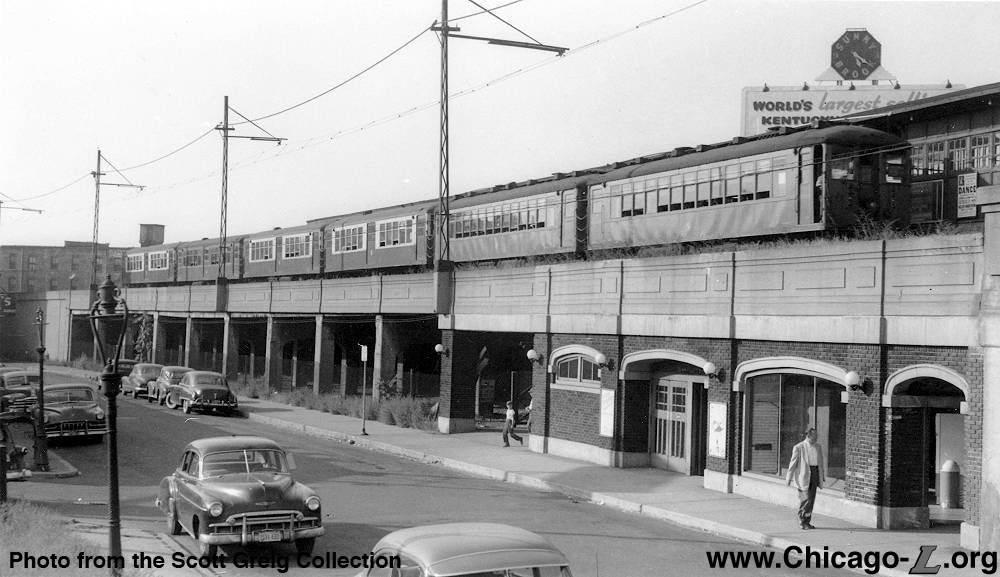
loyola07.jpg (130k) A 6-car southbound Evanston Express train passes through the Loyola station, circa 1952-53. The train has a mixed consist of 4000-series cars, with some earlier "Baldie" 4000s with center doors (which appear to have been repainted in the CTA's green and cream) and later "Plushie" 4000s, including the lead car, with trolley poles and still sporting the predecessor CRT's brown and orange paint scheme. The scene looks northwest on Loyola Avenue with the station's south entrance visible below. (Photo from the Scott Greig Collection) |
|
|
|